Natural & untreated
Heat is common and accepted in the broader market, but documented no-heat material is scarcer. Diffusion, fracture filling and other treatments generally reduce collector appeal.

VALUE, RARITY & THE LONG VIEW
The finest natural untreated ruby and sapphire occupy a rare corner of the jewelry market: beautiful enough to wear, durable enough for generations and scarce enough to interest serious collectors. The case begins with selectivity—not promises.
Read the collector framework ↓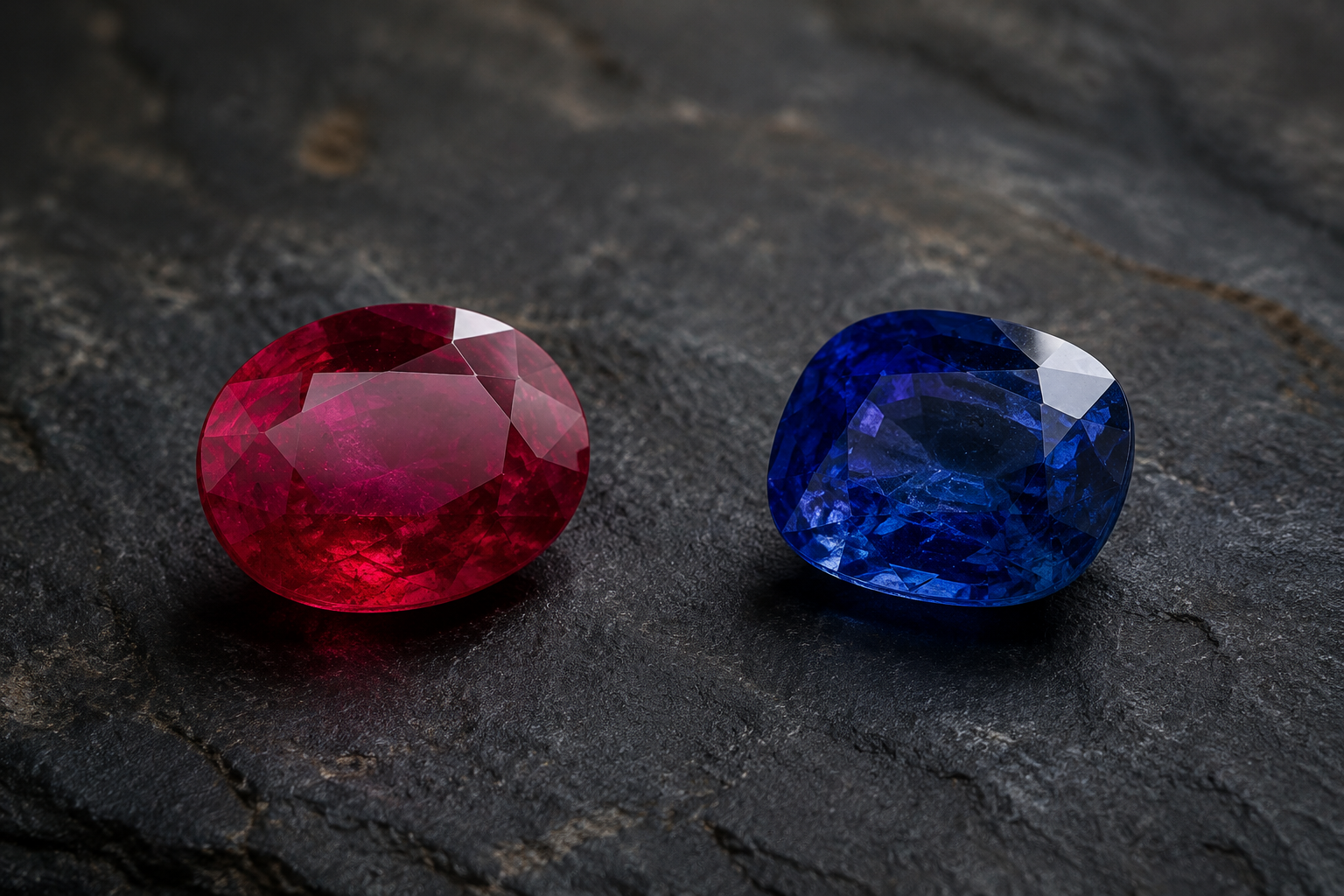
THE HONEST POSITION / 01
Gemstones produce no income, have wide dealer spreads and can take time to resell. Most commercial stones will not behave like elite auction gems. Investment potential belongs principally to rare, natural stones with exceptional color, desirable size, minimal treatment and independent documentation.
Rarity can support value. It cannot guarantee a return.
WHAT EARNS THE PREMIUM / 02
“Natural” alone is not enough. Serious value concentrates where several rare qualities meet in the same stone.
Heat is common and accepted in the broader market, but documented no-heat material is scarcer. Diffusion, fracture filling and other treatments generally reduce collector appeal.
Ruby leads with vivid pure to slightly purplish red. Blue sapphire leads with strong-to-vivid saturation and a medium to medium-dark velvety blue. Beauty comes before origin.
Fine gems balance clarity with brightness. Inclusions can prove natural origin; those that cloud the stone, threaten durability or interrupt light lower value.
Larger fine stones become progressively rarer. A mediocre large stone does not become investment-grade merely through weight.
For exceptional stones, Kashmir sapphire and Mogok/Burmese ruby can carry major premiums. Sri Lanka, Madagascar and Mozambique can also produce superb gems. Origin requires a respected laboratory opinion.
A report from GIA, AGL, SSEF, Gübelin or another respected laboratory should confirm identity and detectable treatment; origin reports are valuable when the premium depends on origin.
CORUNDUM & DIAMONDS / 03
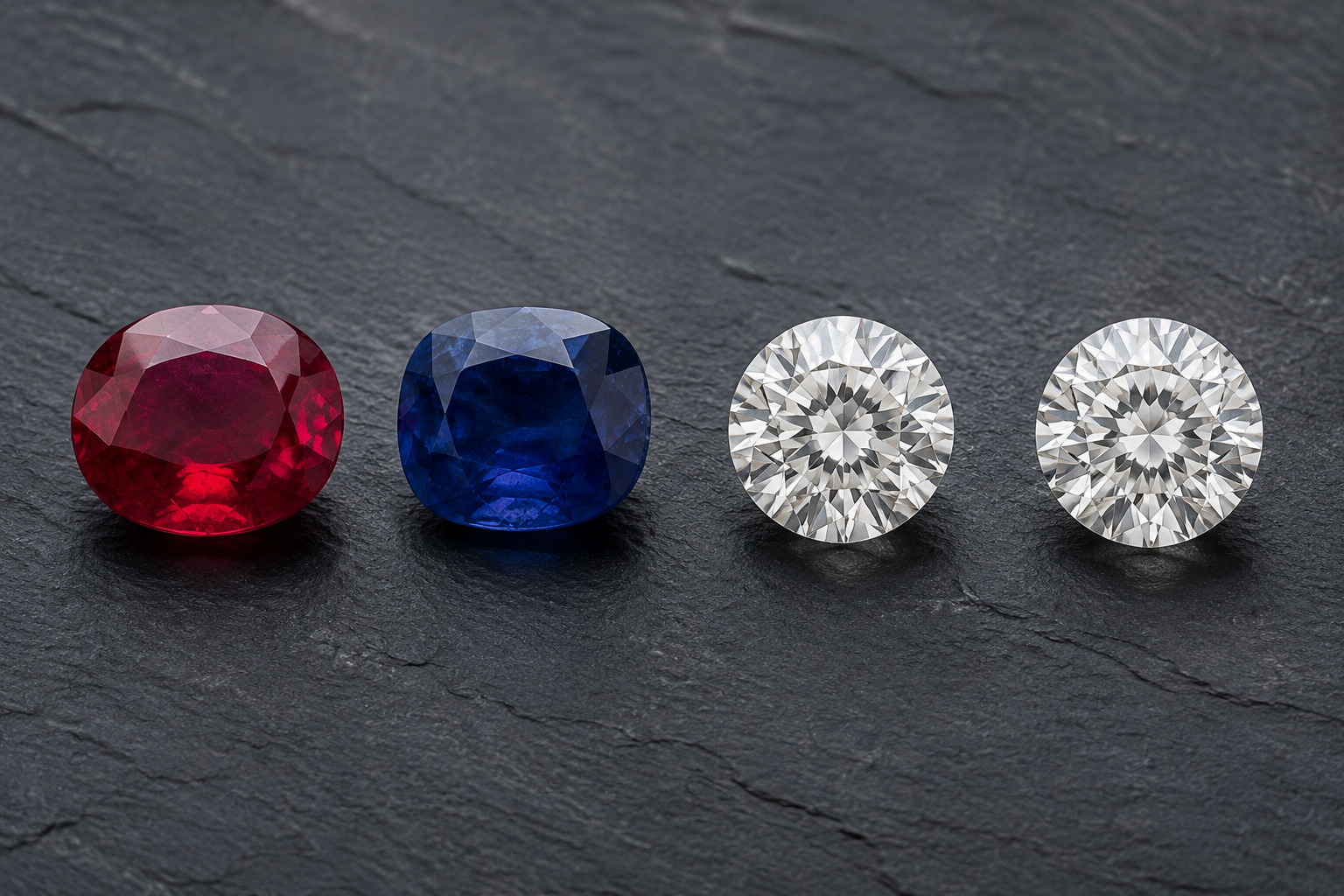
Laboratory-grown diamond supply is repeatable and manufacturing capacity continues to expand. That benefits consumers seeking size and sparkle, but it is the opposite of a scarcity thesis.
A DIFFERENT FOREVER STONE / 05
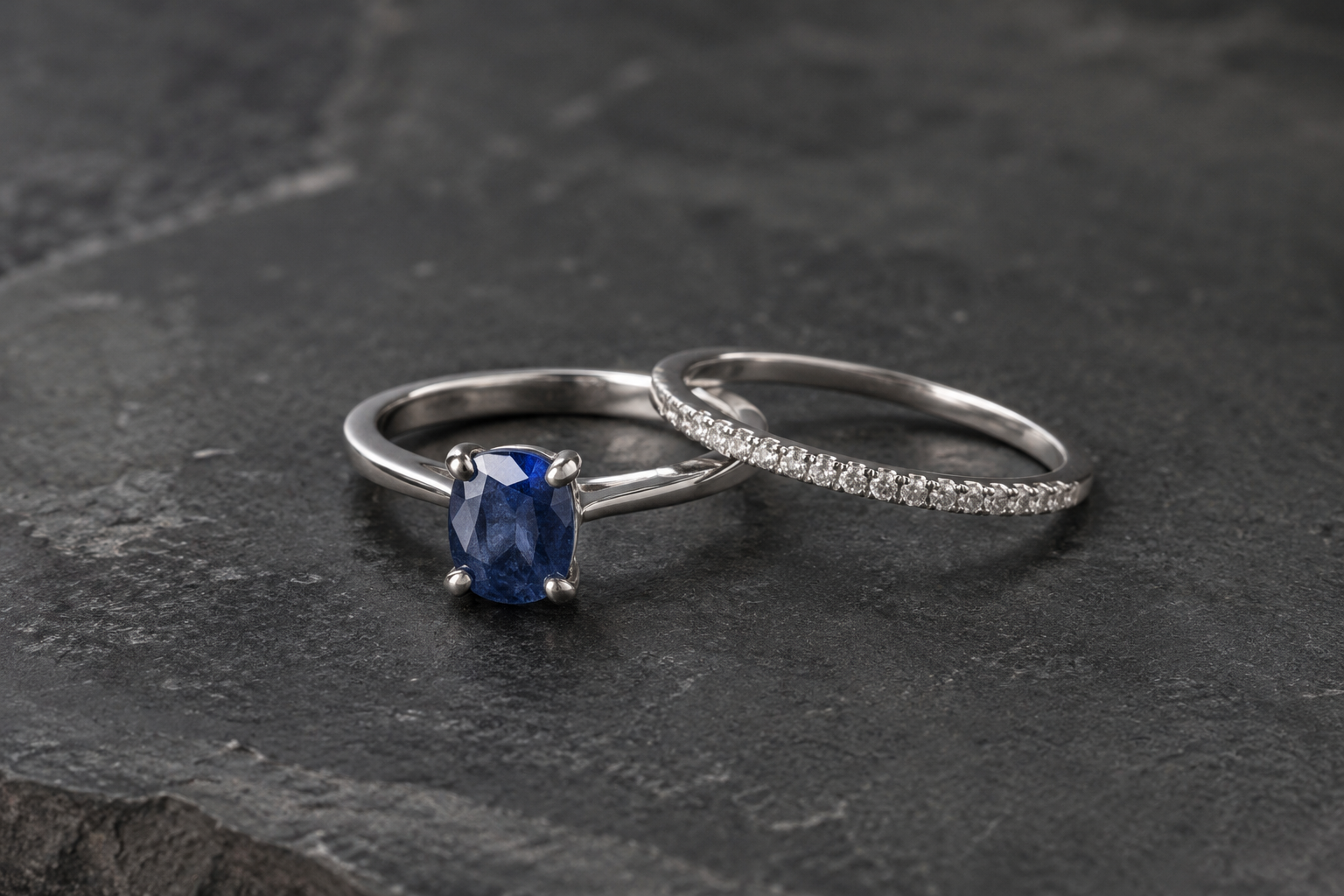
Ruby and sapphire score 9 on the Mohs scale—second only to diamond—making them among the best natural colored gemstones for daily wear. They bring color, individuality and geological rarity to a piece intended to mark one singular relationship.
A sapphire or ruby center can also redirect the budget from standardized size toward distinctive color, documented natural origin and artisan cutting. The strongest setting protects exposed corners and girdle edges; hardness resists scratching, but no gemstone is immune to chipping.
SOURCES & METHODOLOGY